
Sapphire is not a blue stone that occasionally comes in other colours. It is a colour-blind mineral, corundum, that happens to look best in the trade when it's blue, and the industry has built an entire pricing culture around that preference. Buy one without understanding why, and you'll pay a premium for the wrong things and miss the stones that actually deserve it.
<blockquote> <strong>In Brief:</strong> sapphire quality comes down to colour first (hue, tone, saturation), then clarity, cut, and carat. Origin adds prestige at the top of the market — Kashmir, Burma, and fine Ceylon command real premiums. Most sapphires on the market are heat-treated, which is normal and accepted; diffusion and glass-filling are not, and should always be disclosed. Expect £60–£220 per carat for good commercial-quality heat-treated blue, and considerably more for anything unheated or origin-certified. </blockquote>Colour comes first, and it isn't just "blue or not blue"
Gemmologists break sapphire colour into three components, and understanding them is worth more than any other single piece of buying advice in this guide.
Hue is the dominant colour itself. Blue sapphires range from a greenish blue through to a violetish blue, and the purest, most desirable hue sits close to what the trade calls cornflower blue: vivid, saturated, with no grey or brown creeping in at the edges.
Tone is how light or dark the stone reads, typically scored from 0 (colourless) to 10 (black). The sweet spot is medium to medium-dark, roughly 5 to 7. Go much darker and the stone starts to look inky and loses brilliance under normal light. Go much lighter and it looks washed out.
Saturation is the intensity of the colour itself, independent of how light or dark it is. This is where most of the value lives. A stone with strong, vivid saturation and no grey or brown modifiers will always outprice a larger stone with duller colour, and this is the single most common mistake first-time buyers make: choosing carat weight over colour quality.
Clarity works differently here than it does for diamonds
If you're used to diamond grading, recalibrate. Sapphires are graded as what gemmologists call a "Type II" stone, meaning inclusions are expected and tolerated as long as they don't threaten the stone's durability or visibly interrupt its brilliance. An eye-clean sapphire under two carats is common and unremarkable. Above three carats, eye-clean examples become considerably rarer and the price reflects it.
Some inclusions are even desirable. The fine silk-like rutile needles found in the best Kashmir stones are what give them their famous velvety appearance, and their presence is part of what a specialist lab report is confirming, not a flaw it's penalising.
Cut affects colour more than people expect
A well-cut sapphire returns light evenly across the whole stone. A poorly cut one shows windowing, a washed-out patch visible when you look straight through the table, or extinction, dark dead zones where light isn't reflecting back at all. Because sapphire rough tends to form in shapes that suit ovals and cushions, those two cuts dominate the market; round sapphires exist but require cutters to sacrifice more of the rough crystal to get there, which is part of why round stones cost more for the same quality. Whatever the shape, prioritise a lively, evenly sparkling cut over a stone cut purely to preserve carat weight. A poorly cut exceptional stone will always underperform a well-cut good one.
Where a sapphire is from still matters, sometimes enormously
Origin doesn't change the chemistry of a sapphire. It changes what collectors are willing to pay for it, and at the top of the market that premium is substantial.
Kashmir is the name every serious buyer eventually has to reckon with. In 1881, a landslide in the Zanskar range of the Himalayas exposed a pocket of blue corundum crystals in the remote Padar valley. The Maharaja of Kashmir claimed the deposit in 1883 and mined it hard until 1887, and by 1888 it was essentially exhausted. In India, the finest examples of that blue are still called "the peacock's neck." Because the entire supply of fine Kashmir sapphire was mined in a six-year window nearly a century and a half ago, certified examples are extraordinarily rare, and the premium reflects that scarcity as much as the colour itself.
Burma (Myanmar) produces a deep, saturated "royal blue" that rivals Kashmir in prestige, though claims of Burmese origin should always come with lab documentation; the name gets used loosely by sellers who know what it's worth.
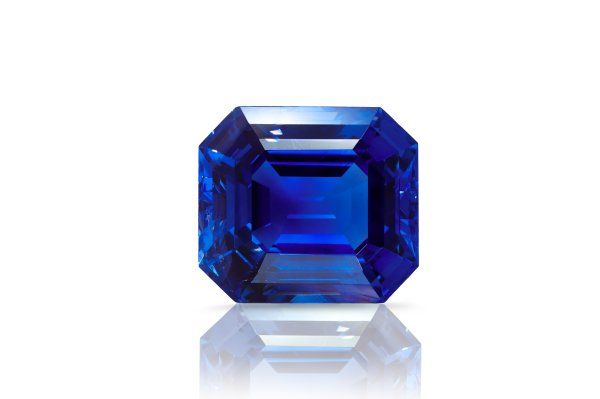
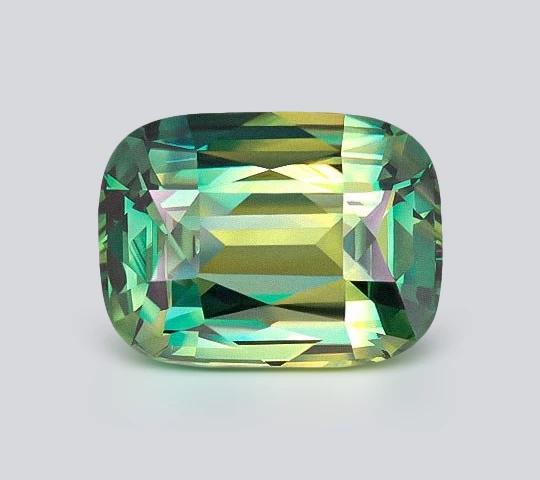
Ceylon (Sri Lanka) has been producing sapphires since antiquity, in the widest range of colours of any single origin, including the prized pink-orange padparadscha. Quality varies enormously here, so origin alone doesn't guarantee anything without a colour and clarity assessment alongside it.
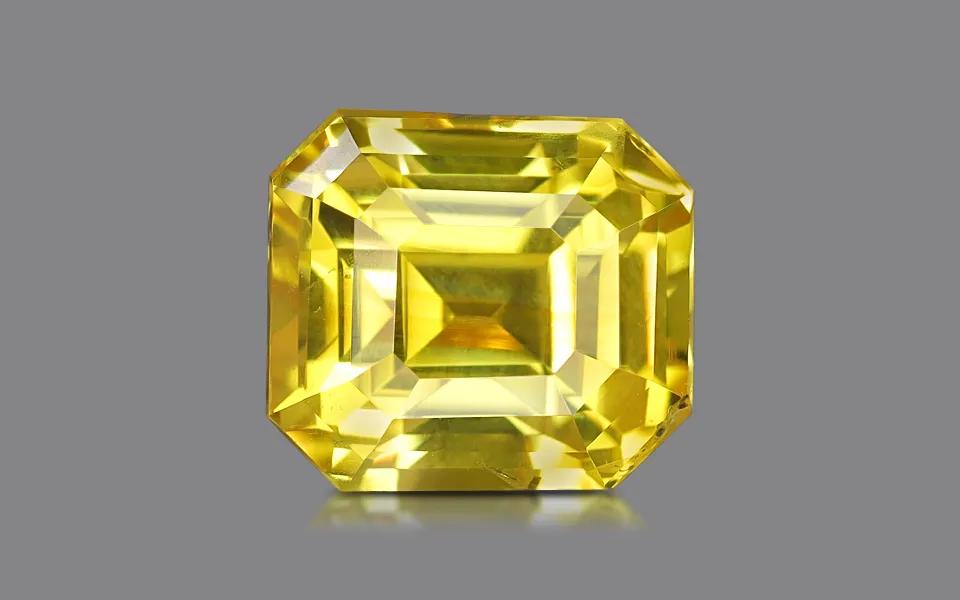
Madagascar is, by volume, the most important source in the market today, producing stones that can rival Ceylon quality at more accessible prices, without the century-old scarcity premium attached to Kashmir.
Treatment: what's normal, and what to actually worry about
Somewhere north of nine in every ten sapphires sold today have been heat-treated, and this is not a red flag. Heating a sapphire to intensify colour and dissolve small inclusions is a practice with genuine historical precedent, is permanent and stable, and is fully disclosed on any reputable lab report. You should assume any sapphire you're shown has been heated unless a certificate specifically states otherwise. Confirmed unheated stones, particularly at fine colour grades, carry a real premium precisely because they're the exception.
What deserves more scrutiny are the treatments beyond heat. Lattice diffusion drives colour-causing elements, sometimes beryllium, into the stone's surface layer using heat and chemicals together. The resulting colour can be vivid, but it lives in a thin surface skin: recutting or a deep scratch can expose the paler stone underneath. Glass or resin fracture-filling goes further still, injecting material into cracks to improve apparent clarity in stones that would otherwise be unsellable. This treatment is unstable in a way that matters day to day; heat, acid-based jewellery cleaners, or an ultrasonic cleaner can damage the fill and visibly harm the stone. Both must be disclosed, and both should cost meaningfully less than a heated stone of comparable colour. If a price looks too good for the colour on display, this is usually why.
Certification: when to ask, and who to ask
GIA does not grade or assign quality scores to sapphire the way it does diamonds, but its Identification Reports do confirm whether a stone is natural or laboratory-grown, disclose any detectable treatment, and, on request, offer an opinion on geographic origin. For anything you're paying a meaningful sum for, that report is not optional. Alongside GIA, the labs most trusted in the coloured-stone trade are SSEF, Gübelin, and GRS, particularly for origin opinions on high-value stones where Kashmir or Burma is being claimed.
Ask directly: is this heated or unheated, and what's the source of that determination? What is the declared origin, and is there a lab report to support it? Beyond heat, has any other treatment been applied? A seller who answers plainly is doing their job. A seller who deflects, or offers only an in-house certificate for a stone above a few hundred pounds, is a reason to walk away.
Quick Reference
| Quality tier | Colour description | Typical treatment | Roughly per carat |
|---|---|---|---|
| Commercial | Pale, greyish, or heavily included blue | Heated | £15–£65 |
| Good | Medium blue, slight grey modifier, eye-clean or near | Heated | £65–£240 |
| Fine | Rich blue to violetish-blue, eye-clean, well-cut | Heated | £240–£950 |
| Exceptional | Cornflower to vivid blue, lightly heated or unheated | Often unheated | £950–£6,500+ |
| Kashmir / top Burma | Velvety cornflower blue, origin-certified | Unheated | £4,000–£40,000+ |
Figures are indicative for clean, well-cut stones and will move with market conditions; treat them as a starting frame, not a quote. For the history behind some of the world's most celebrated stones, see The World's Most Famous Sapphires. For sapphire specifically set as an engagement stone, see our sapphire engagement ring guide. Coloured-stone buying follows similar principles across gems: our emerald buying guide covers the same ground for green beryl.
FAQ
Is heat-treated sapphire worth buying? Yes. The vast majority of sapphires on the market are heat-treated, and it's a permanent, stable, fully accepted practice in the trade. Unheated stones command a premium, particularly at fine colour grades, but heat treatment on its own is not a reason to avoid a stone.
How can I tell if a sapphire is natural instead of lab-created? The most reliable method is a lab report from GIA, SSEF, Gübelin, or GRS confirming natural origin. Natural sapphires typically show inclusions under magnification; lab-created stones are usually far cleaner, though this alone isn't a substitute for certification.
Why are Kashmir sapphires so expensive? The entire supply of fine-quality Kashmir sapphire was mined in roughly six years, from 1881 to 1887, from a single deposit in the Himalayas that was exhausted shortly after. No comparable new supply has entered the market since, so scarcity, not just colour, drives the price.
What's the difference between heat treatment and diffusion treatment? Heat treatment intensifies a sapphire's natural colour throughout the stone and is considered standard practice. Diffusion treatment introduces colour-causing elements into the surface layer only, which can be removed by recutting or deep damage, and generally sells for considerably less than a heated stone of comparable appearance.
Where should I actually buy a sapphire? For set jewellery, look for a retailer that's a member of the National Association of Jewellers (NAJ), the UK trade body whose members agree to a code of conduct on honest disclosure; their site includes a directory you can search by location. For loose or investment-grade stones, buy from a specialist coloured-stone dealer who supplies an independent lab report as standard, not an in-house certificate; the Gemmological Association of Great Britain is a good starting point for understanding what proper credentials look like. For anything at the top end of the market, Kashmir or Burma origin, significant carat weight, the major auction houses handle provenance-documented stones regularly and are worth watching even if you're not ready to bid: Sotheby's and Bonhams both run dedicated jewellery departments online, alongside Christie's.


